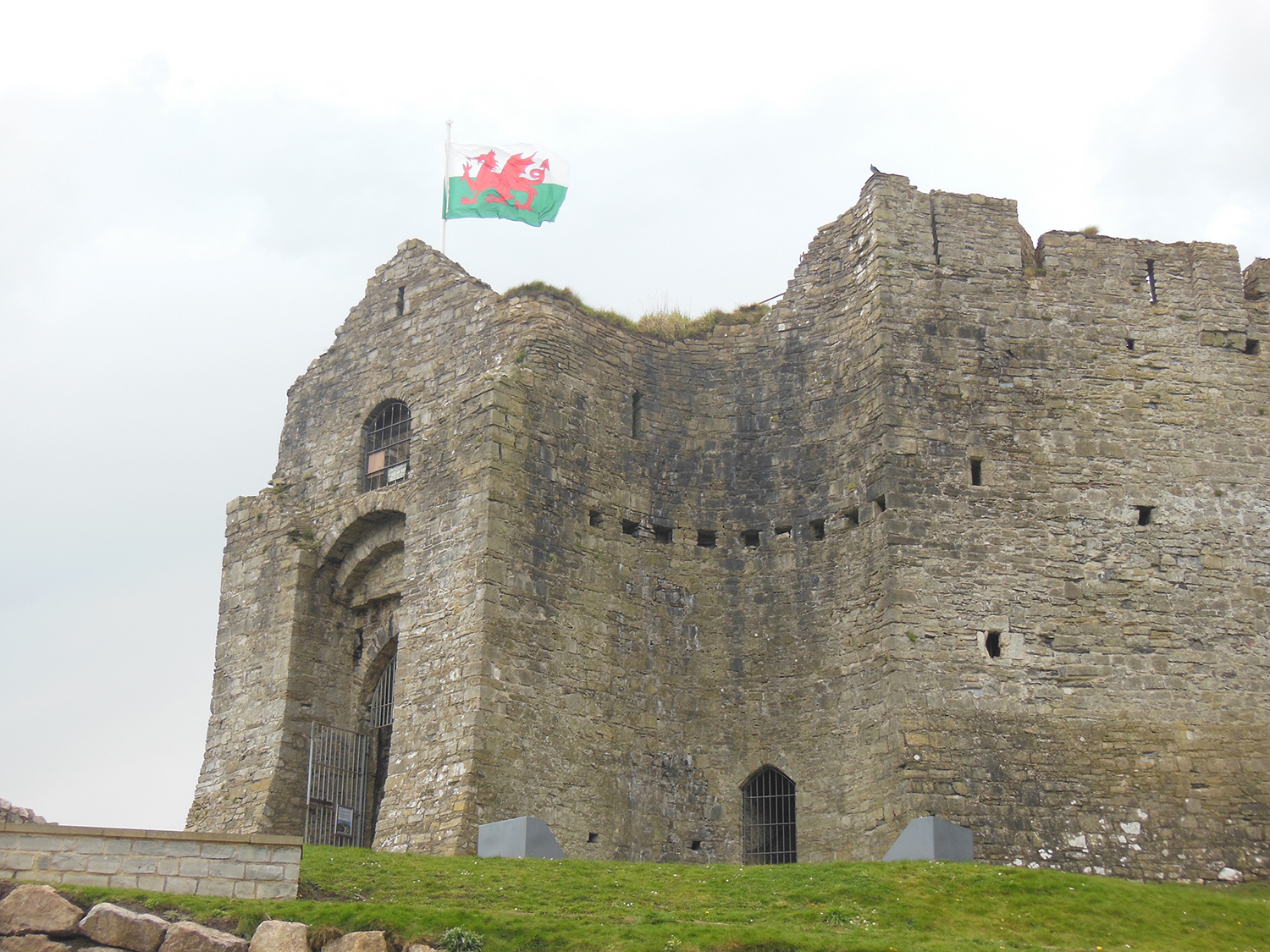
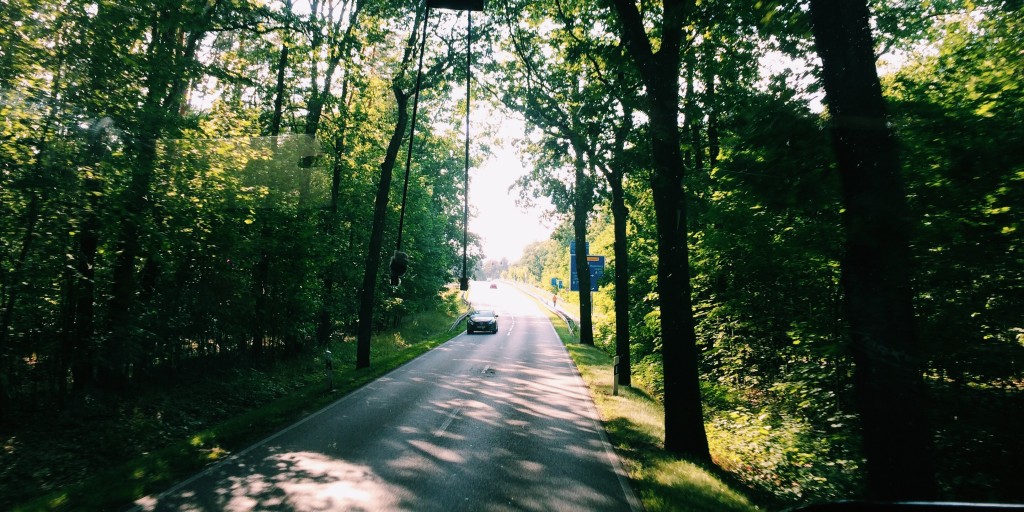
Grey skies swiftly rolled in as the minivan ferried us about on our Wales road trip. Excited we pulled up outside the haunting shell of Weobley Castle, a 14th Century fortified manor house.
One of 641 castles in Wales, it might otherwise appear unremarkable compared with its larger counterparts. Surprisingly, what sets Weobley apart is its hilltop position above the expansive and desolate salt marshes of Llanrhidian Sands.
Adrian, our enthusiastic See Wales guide was mid-story when for the first time that day our small group interrupted him with excited cries of, ‘oh wow look at that!’.
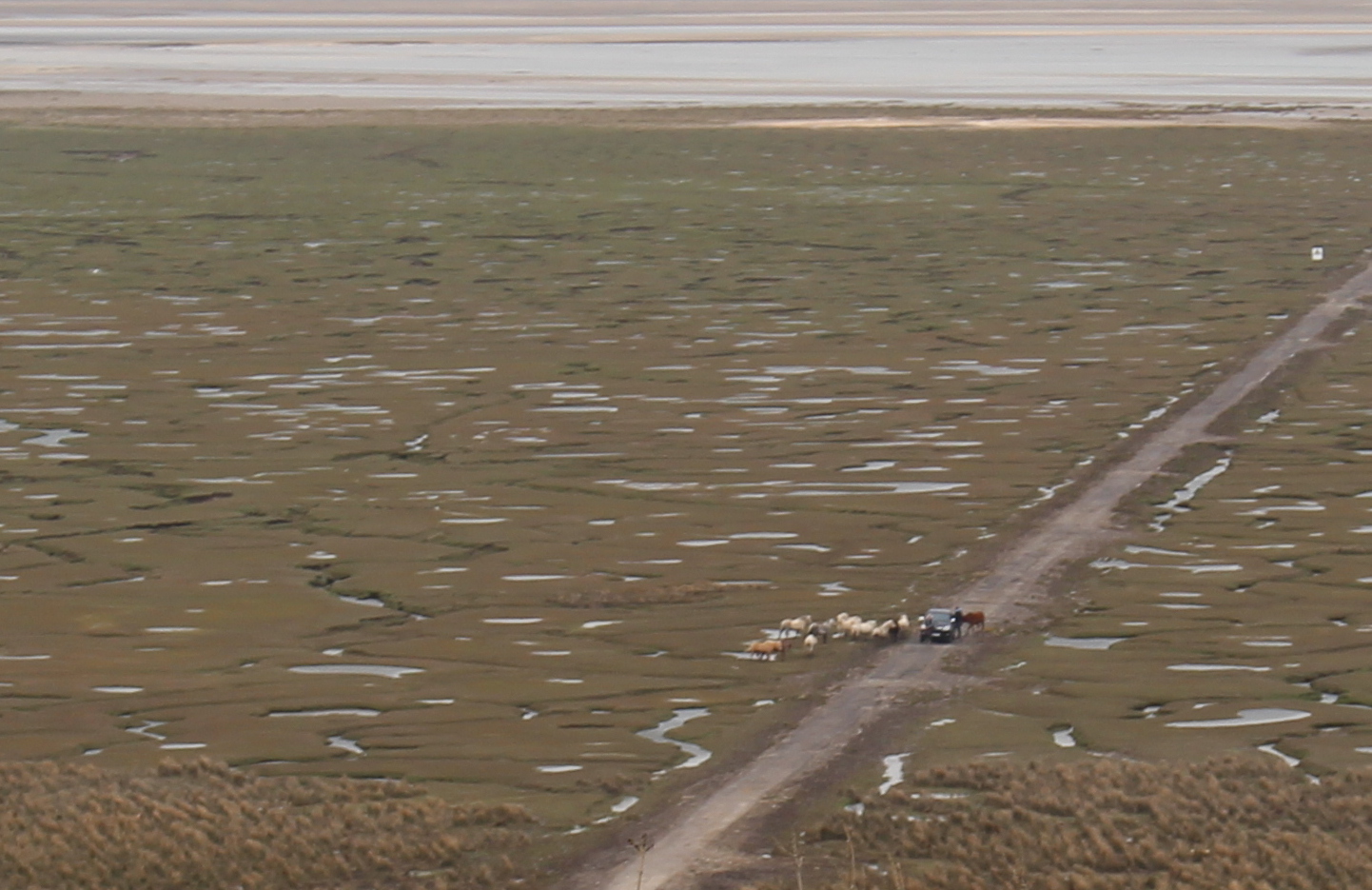
Transpiring behind him on a scene set across flat salty lands, was the fervent galloping of about ten wild horses. All heading towards a lone 4WD which must have meant ‘food’ to the motley band of brothers (pictured below).
The wonders of a Wales road trip
The scene was so darkly enchanting, we could very well have landed back in time Outlander-style. The only giveaway, a vehicle that appeared out of place in such rugged old terrain.
As an Aussie adventurer, I now feel compelled to spread the good word about Wales. This is why you should embark on your own Wales road trip.
On the travel grapevine, I quite often hear of people’s love for England. Their desire to tour Ireland’s Atlantic way and Scotland’s mysterious valleys, lochs and mountains. But rarely do I hear about the drive to visit here.
Yet, I’m captivated.
Visiting Cardiff on your Wales road trip
While our last stop on this lovely day trip was Weobley, we’d begun at 9.30am in Cardiff. A city that – typical of our Wales experience – took us entirely by surprise!
A beautiful and contemporary place. Complete with exquisite buildings, parks, waterways, a fabulous bay and castle, world-class university and sporting areas.
Cardiff is an up-and-coming star of the region. One of the fastest growing capital cities in Europe. Its ‘cool’ factor shines bright. Despite a long history dating back thousands of years.
Over 40 per cent of Cardiff’s population is under 30, which is probably why the place feels so fresh and vibrant.
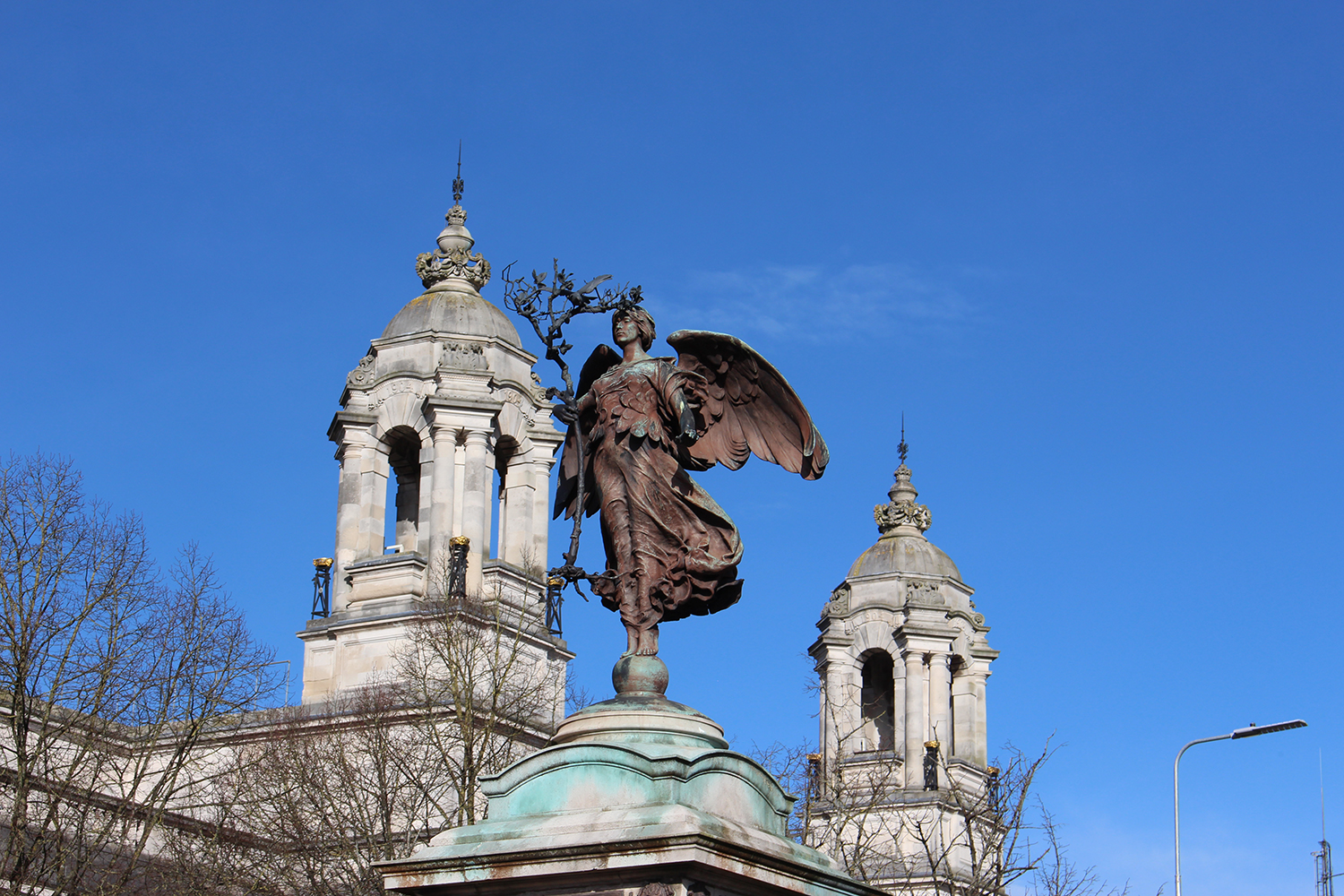
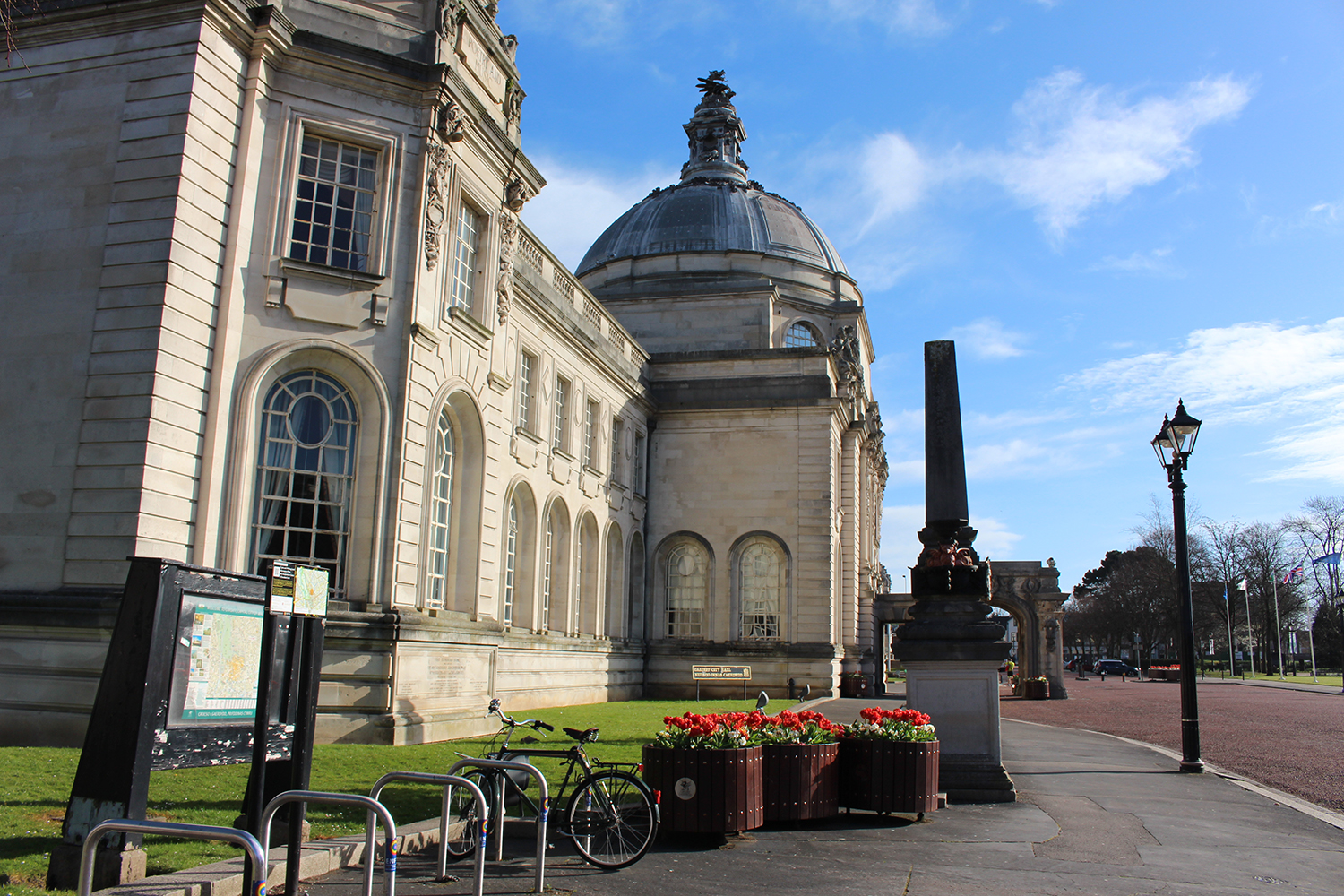
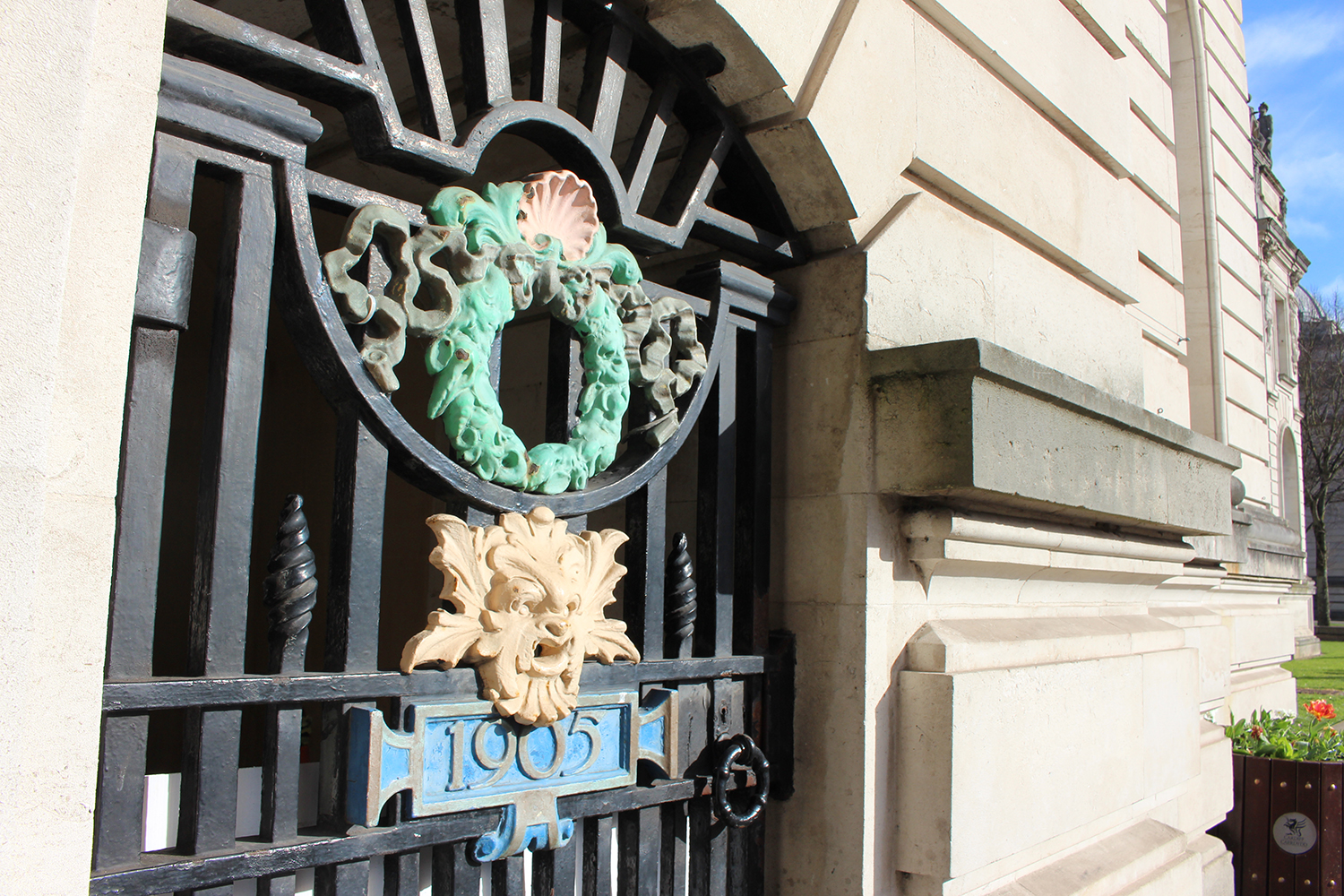
Some of the Civic Centre and national museum buildings actually remind me of the grand Westminster dwellings situated around Victoria in London.
I was pleased for a bit of early morning sunshine. I eagerly snapped a few digital mementos before meeting up with my tour group to head off on our Gower Peninsula adventure.
The Gower Peninsula in Wales
The Gower is a designated Area of Outstanding Natural Beauty (AONB) in South Wales that projects westwards into the Bristol Channel. It’s brimming with mysterious old stone ruins, historical castles and churches, ocean-ways, green valleys, marshes, caves, beaches and soaring cliffs.
The following map shows where in the country we were. I’ve highlighted some of the key stops we visited on the See Wales day trip.
Striking Swansea Bay
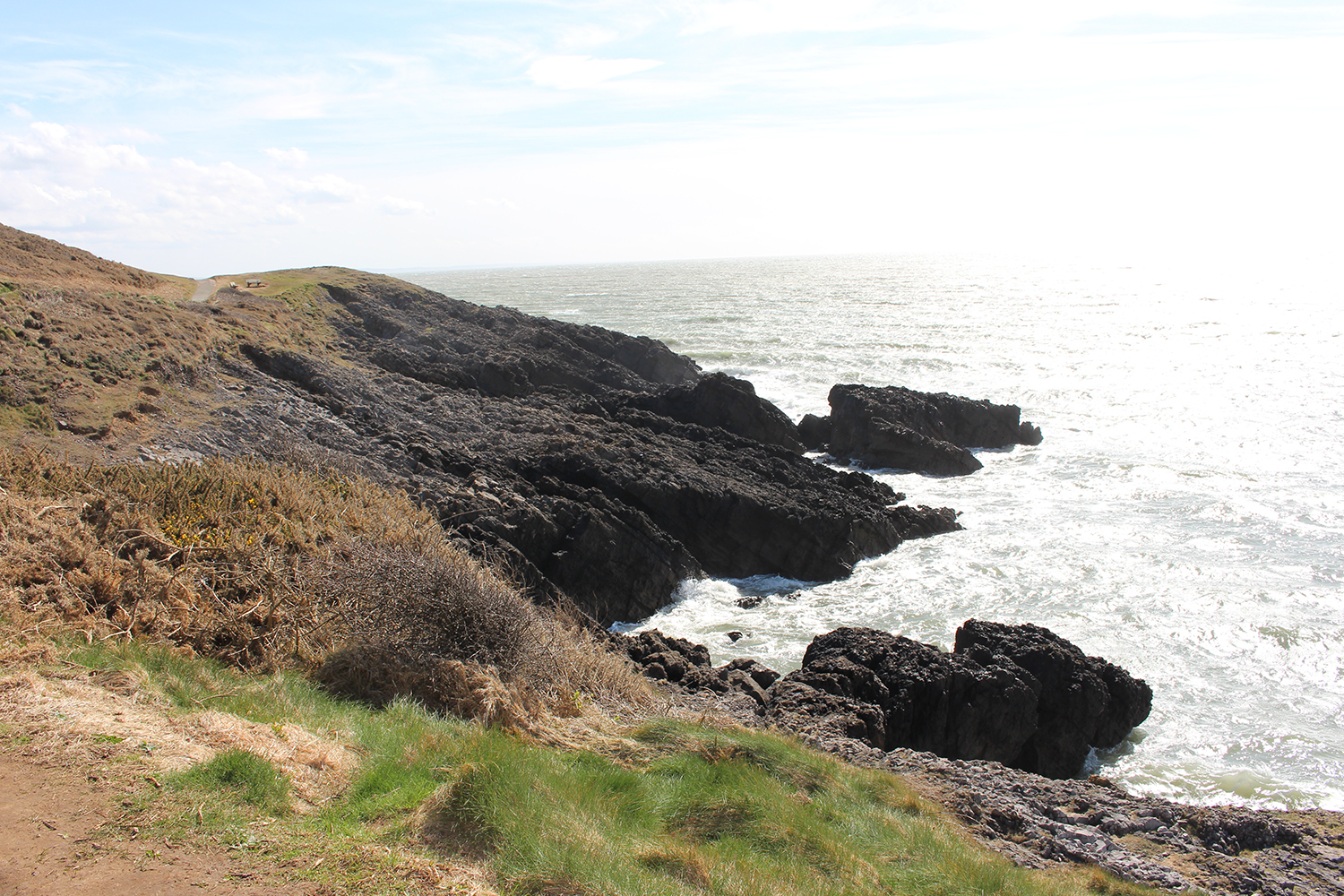
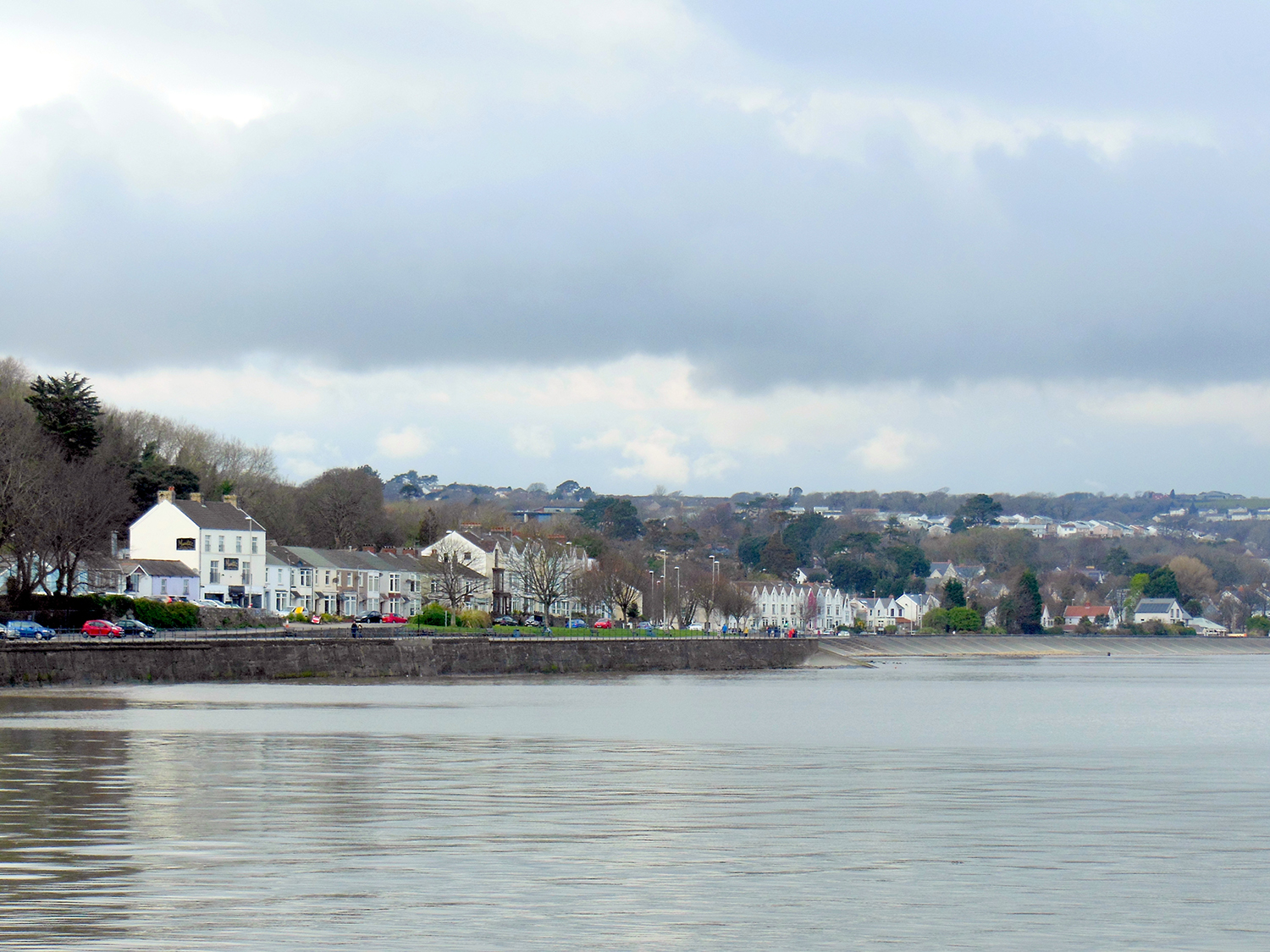
During the adventure we visited the charming Dylan Thomas Centre in Swansea which celebrates the famous Welsh writer. We then drove through the Mumbles and stopped at Langland Bay where a cliff top walk was in order.
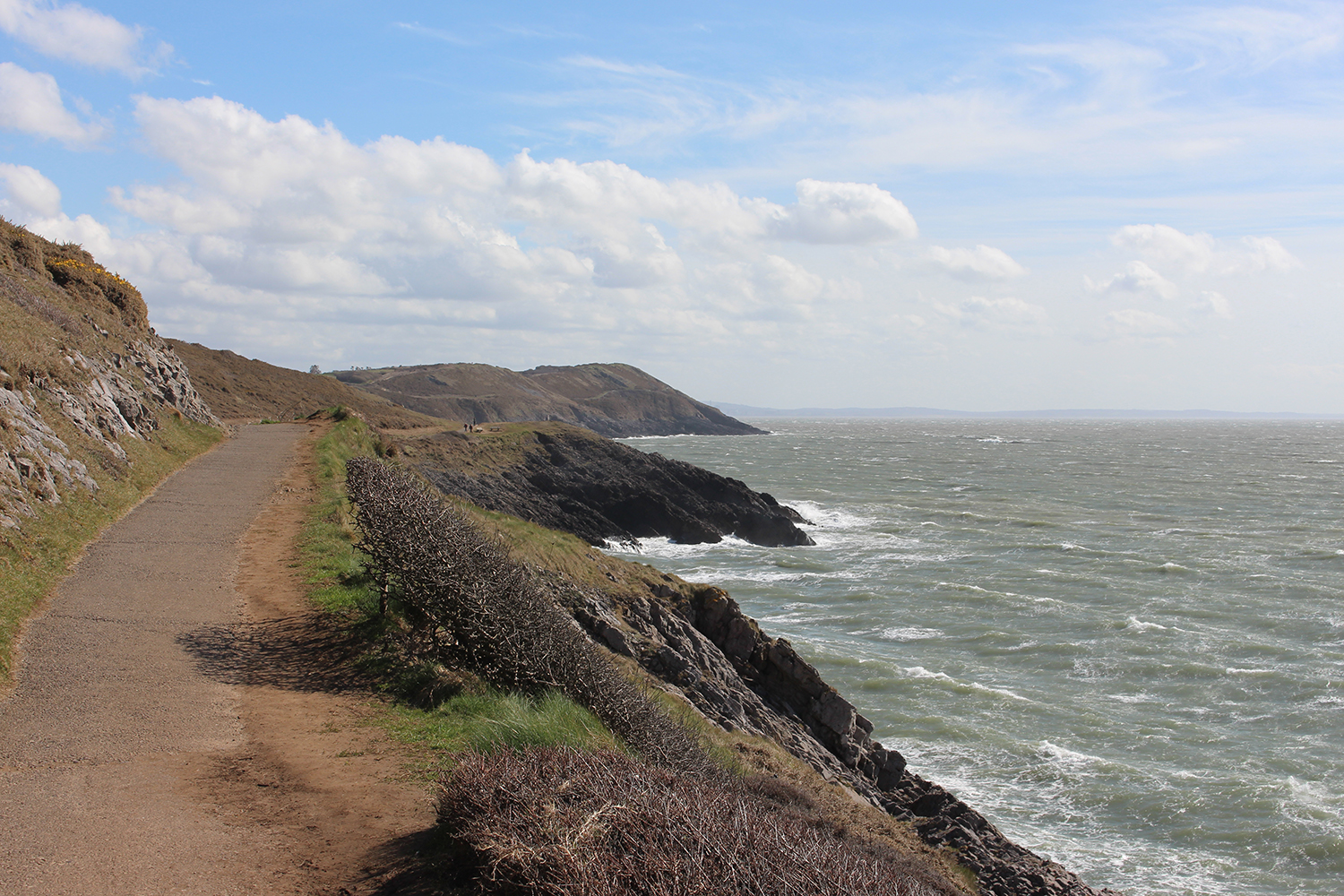
We were happy to brave a rather ferocious wind in order to make our way along the coast towards Caswell Bay. Home to jaw-dropping natural landscapes. One can only hope to experience in a lifetime.
2016 is deemed the ‘year of adventure’ in Wales, and visitors plus locals alike are encouraged to explore the Wales Coast Path.
A walking/hiking route which has been developed to link all of the country’s most wonderful landscapes and points of interest.
Our half hour trek presented a small taste of what is on offer – and it is striking!
I’d spent the better part of this day trip around Wales’ extraordinary Gower Peninsula. Excitedly capturing photos and video, gossiping with fellow travel bloggers and gasping at the dramatic landscapes.
It happened to be a surprisingly sunny Sunday. The day before I was set to go back to work after a lovely break away exploring southern Wales.
When I wasn’t clicking to create digital memorie. My mind was chatting incessantly with ideas on what I wanted to write about. As usual I was anxiously mulling over my to-do list. Concerned about how I was going to get back into the swing of work the next day.
Breathtaking, Rhossili Bay
As our mini touring coach gently bumped along a narrow country road. I finally realised that actually I didn’t need to keep the mental chatter up; in fact, I could simply gaze out the window and be wonderfully mindful about where I was and what I had the opportunity to do and see on this breezy April day.
Just when I decided to stop and smell the roses, so to speak, my eyes widened as we slowly rolled by a spectacular green field sprinkled with sheep and baby lambs skipping around. As the setting opened up further, I spotted a number of horses casually grazing on a hilly piece of land overlooking the sparkling sea. It was incredibly beautiful, and like scenery I’ve only ever seen in films like 2015’s Far From the MaddingCrowd (although I am aware it was filmed in England).
Being from Australia, I’m used to landscapes generally falling into the categories of country (inland), city or coastal, so to have pastoral blend with dramatic ocean views was a novel experience.
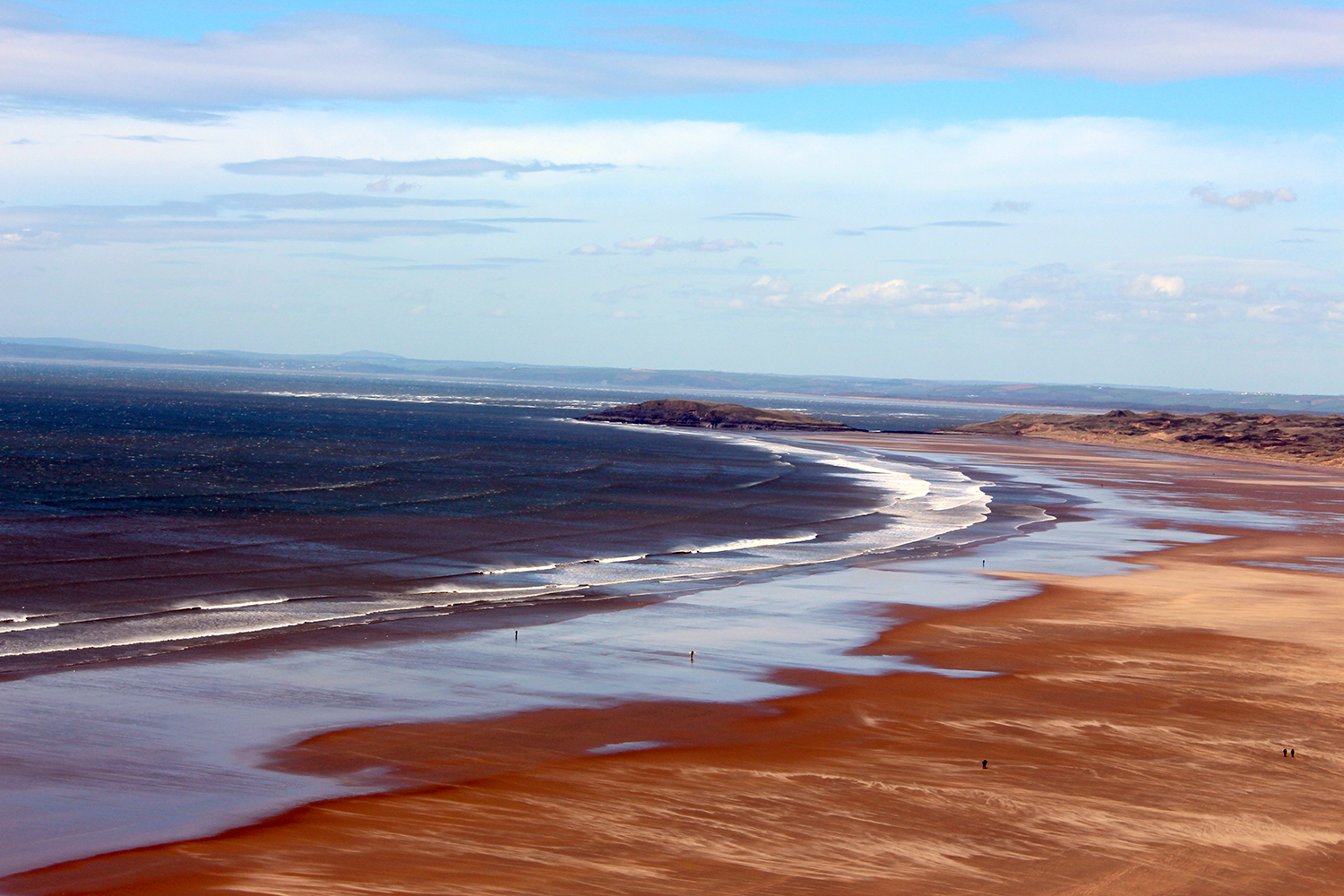
We drove into iconic Rhossili Bay (pictured above) for lunch – a genuine treat being that this beach is consistently voted within lists counting the world’s top ten (apparently something that has bothered the odd Australian travel journalist, but I’m happy to accept it as true)!
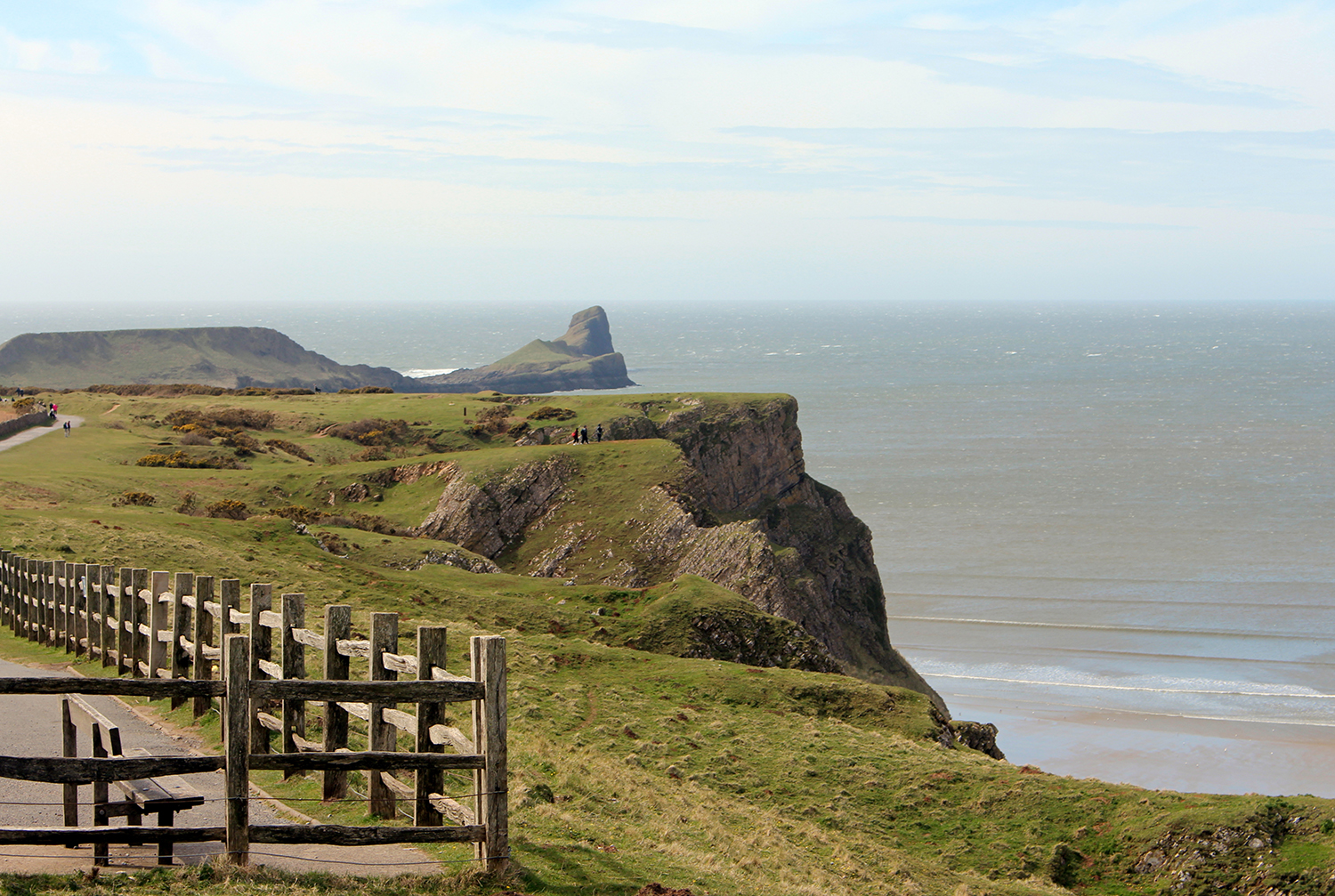
Rhossili village and Worm’s Head (pictured above) were the first spots to be designated as Areas of Outstanding Natural Beauty in the United Kingdom,.
If you have the chance to visit here I strongly encourage you to.
A number of nice pubs sit atop the cliffs so you can experience the true meaning of ‘meal with a view’, but do leave plenty of time for exploring. And obviously, don’t forget your camera.
Here’s a video snapshot of our fabulous day…
Wales road trip travel tips
Stay
Loved the location of the Holiday Inn in Cardiff – we had a nice room overlooking the castle and Bute park and I can’t wait to book a city break back here.
Play
Up the road from the Holiday Inn is a very cool bar and nightclub called Revolution. We had a chance to enjoy post-conference drinks here and liked the music playlist and spacious layout.
Adventure
See Wales is a great option if you’re wanting to explore without the hassle of hiring a car. Our day trip began and ended in Cardiff and took us to Swansea, the Mumbles, Langland Bay, Caswell Bay, Parc Le Breos ancient woodland and ruins, Rhossili and Worm’s Head on the west coast of the Gower Peninsula, then to Weobley Castle positioned above Llanrhidian Sands.
City Sightseeing red bus tours is a good idea for getting your bearings in Cardiff. If you buy your day pass on the ground it is usually valid for 48 hours so will double as your transport ticket around the city. The hop-on-hop-off coach begins its route outside Cardiff Castle every half hour, and ticks off the city’s must-see attractions including:
Cardiff Castle
National Museum
Doctor Who Experience
Cardiff Bay and Mermaid Quay
Techniquest
Craft in the Bay
Millennium stadium
Have you been to Wales? We plan on returning so if you have travel tips please leave them in the comments below.
Grey skies and the rhythmic rumble of the train had us lulled into a calm, dreamy state – understandable coming into our third hour since boarding in London.
I enjoy the countryside in the UK and I’m a total advocate of train travel here because you have the chance to enjoy it to the fullest. I love how it’s possible to identify where a town begins and ends, interspersed between vast rolling green spaces, broken down ruins of centuries-old structures, and historical steeples standing proudly.
Onward, and I spied the pretty-looking outskirts of a city with homes neatly displayed upon the hillsides. As we crossed a romantic river with arched bridges stretching across the water and on into the distance, it occurred to me that it might be nice to stop here for a while and explore. I began to wonder where we might be and squealed a little with excitement as I pointed out to Cooper that we must have crossed over the border from England into Wales, because all of a sudden street, shop, train station and advertising signs all appeared in not just one language but two – the customary English and Welsh options evident across this country.
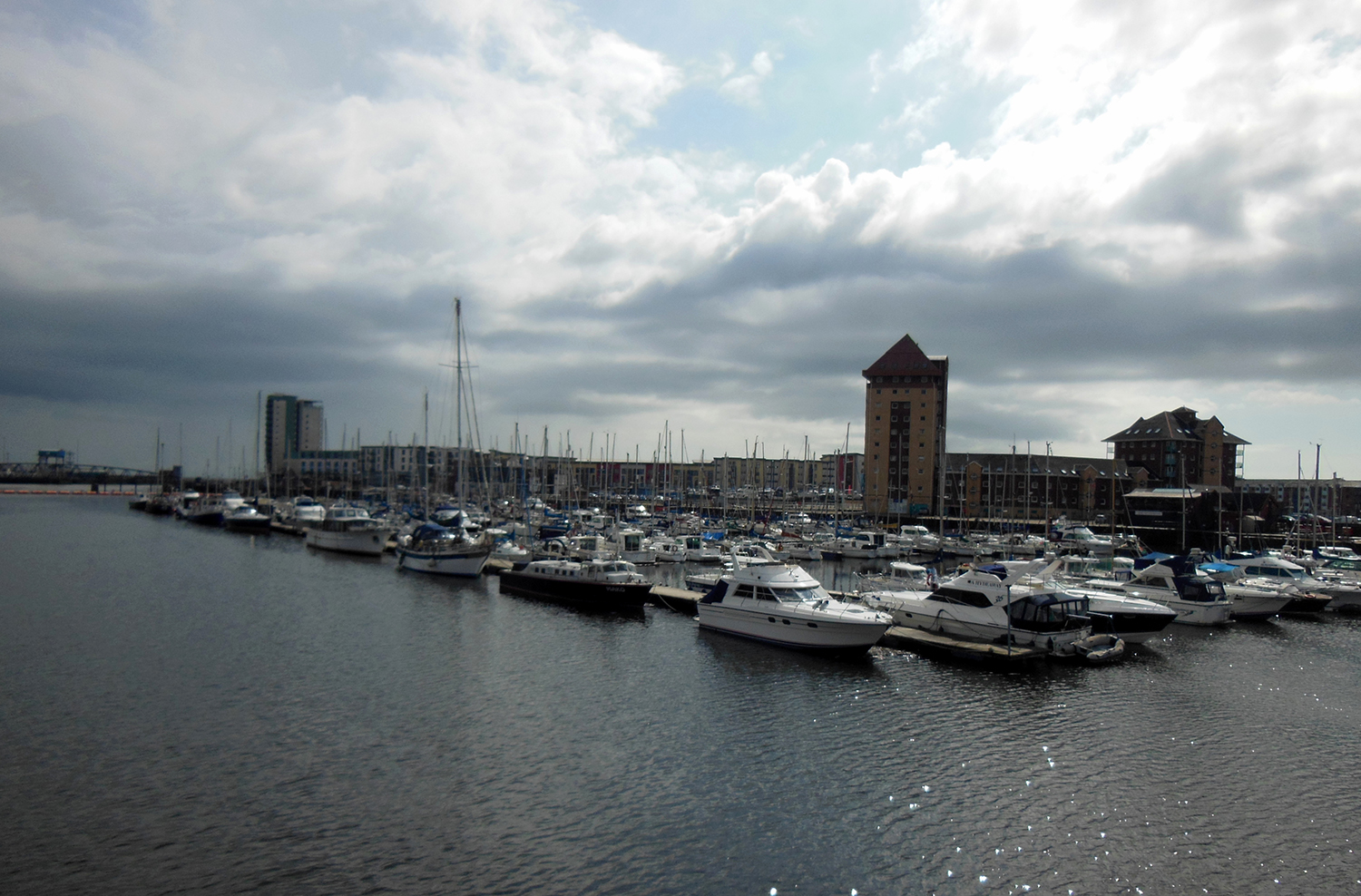
Next, to our surprise the conductor announced we had arrived in Swansea and it was time to alight. As it turned out, I would have the chance to explore this lovely little city more. Aptly too, Swansea was home to the world’s very first passenger railway service.
We were in Wales for our very first visit!
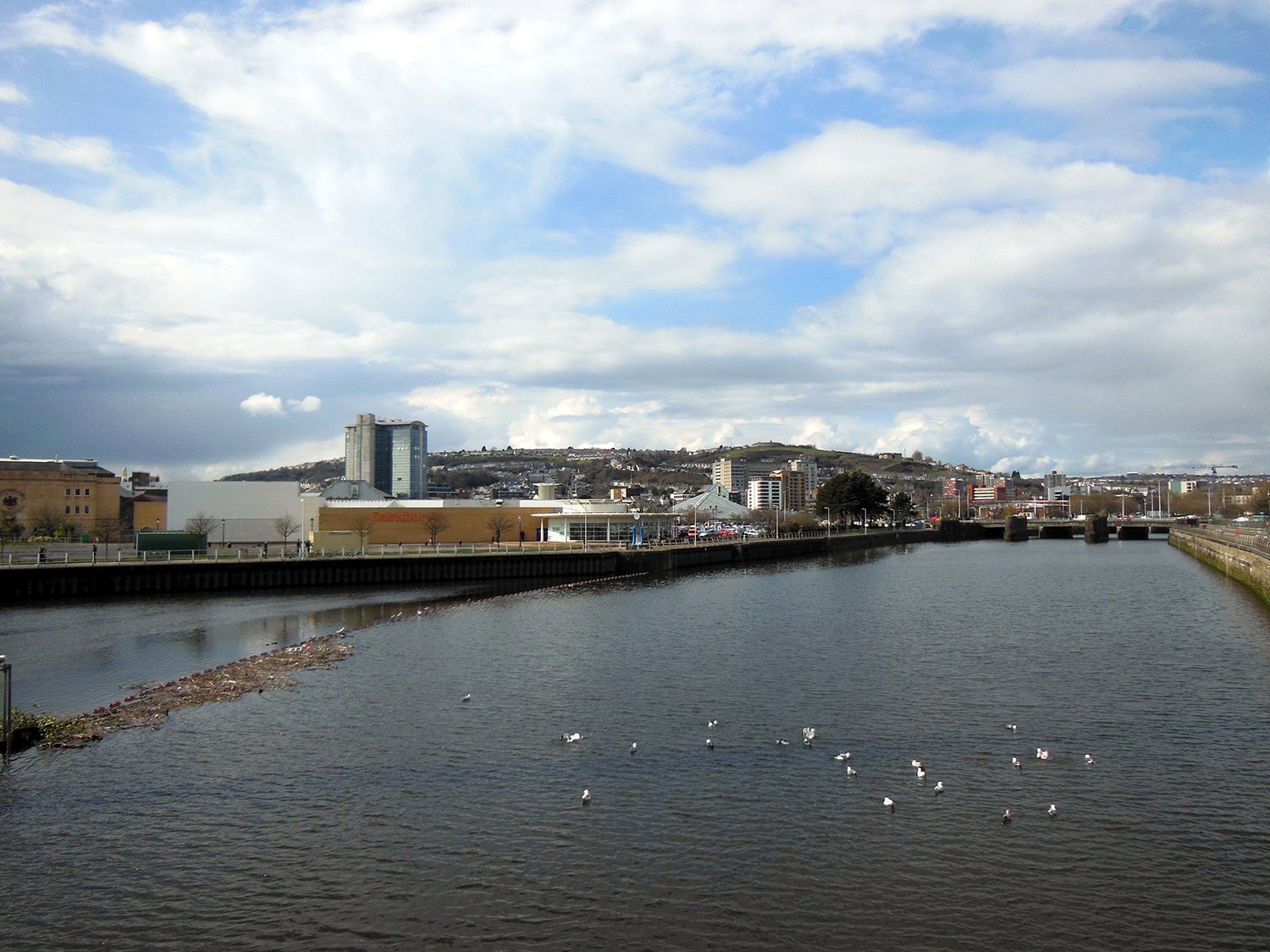
Wales’ second largest city and the twenty-fifth largest in the UK, Swansea lies within the historic county boundaries of Glamorgan. Once a prosperous market village with medieval roots, later gaining prominence as a spa town, and evolving successfully into the industrial revolution, Swansea enjoyed positive growth for many years. While remnants of this history remains, sadly much of the city centre was destroyed during WWII when Swansea suffered numerous devastating bombing attacks due to its perfect positioning as a military port. Perhaps this is why much of the city felt to me like it was quite new. However, it has undergone heavy redevelopment recently and rundown port-side precincts are now being turned into housing, university campus sites plus film and television studios (an emerging industry in Wales right now).
Swansea was our first stop en-route to Tenby, then back to Cardiff and the Gower. Here for 24 hours and keen to keep the spending to a minimum, here’s our guide to budget travel in Swansea.
See in Swansea
The best value option here is definitely the bus. For £4.20 a day (as at April 2016) you can hop on and off the local bus which offers a multitude of routes around the entire area.
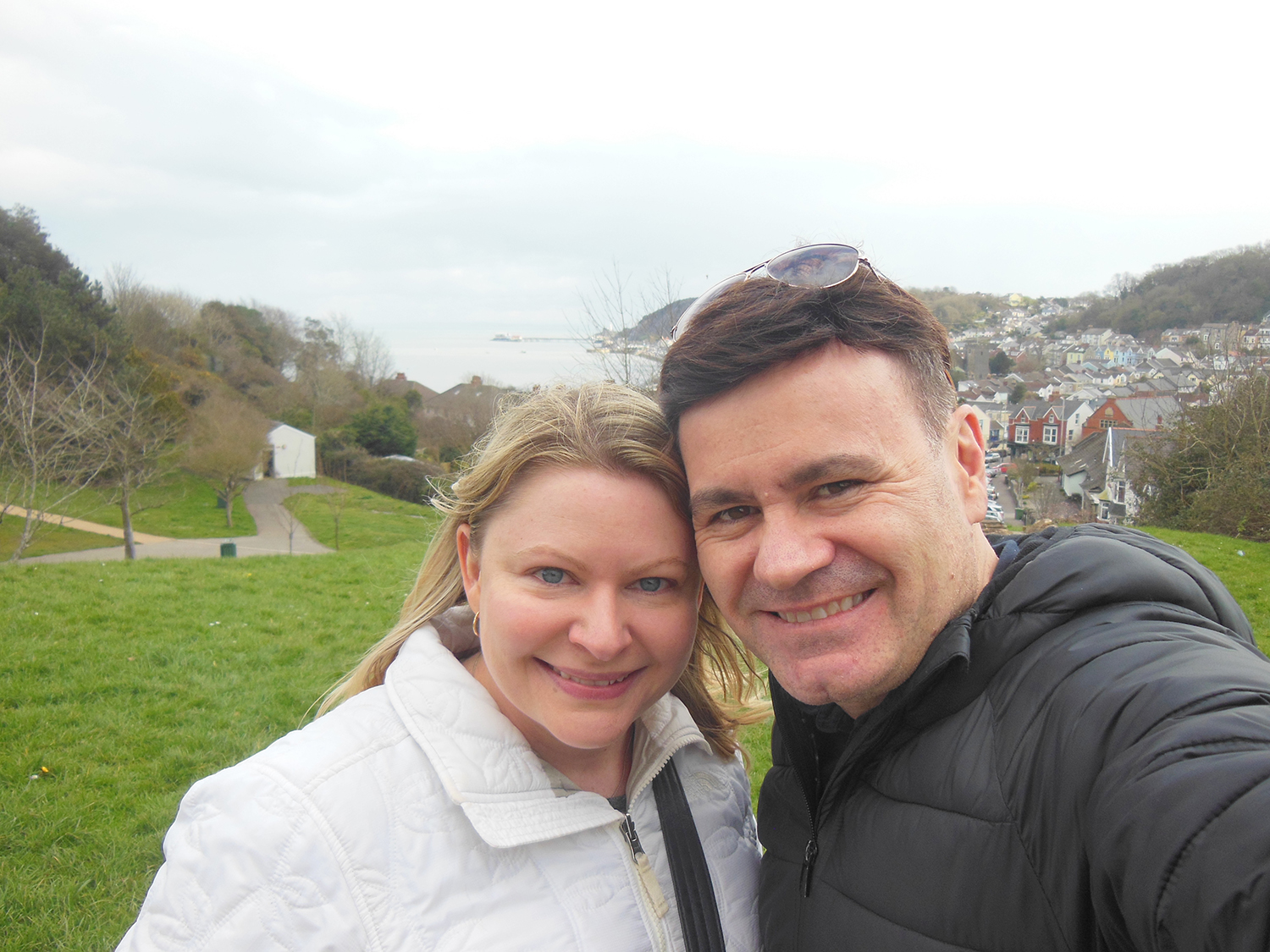
Our best tip is to get yourself on a number 2 express (easy to find at the city’s central bus station) and head over to a gorgeous coastal precinct called ‘the Mumbles’. Imagine pretty houses, extraordinary views across Swansea Bay, boutique shopping, fish and chips, and a grand old castle called Oystermouth. The Mumbles is just 25 minutes bus ride from the city centre, and you can wander along the promenade up to the lighthouse, or discover where the clifftop walks begin and take yourself off on a windswept adventure.
Stroll in Swansea
There’s much to see and do in Swansea and most of it is accessible on foot. The main mall presents shopping, pubs and eateries of all types. This is a university city, so as you’d expect there’s plenty of great deals on food and beer to be had. We don’t mind the odd meal at Pizza Express or a stop-over at Aussie-themed Walkabout (both particularly good value if you’re taking advantage of UK-wide TasteCard or Gourmet Society 2-4-1 deals as we do), and it’s not hard to discover something to fit a tight budget and your unique taste.
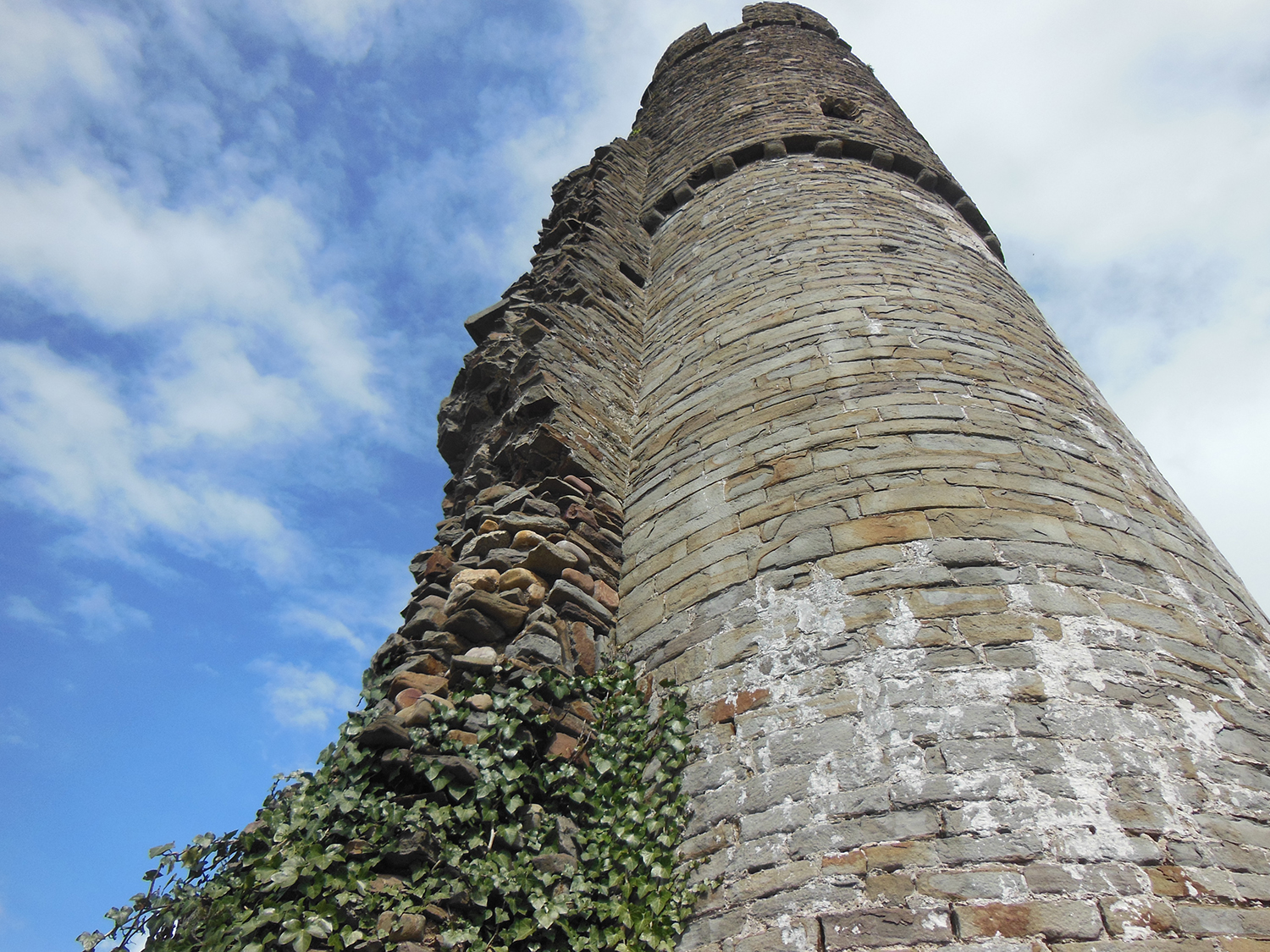
Across Swansea there’s lovely open areas, parks, waterways, interesting historical architecture and even an old castle (although it’s not hard to find castles in Wales – apparently there’s 641 of them).
The city is well signed with regards to directing visitors to its most important attractions and facilities, so see where your feet and imagination take you.
Sleep in Swansea
We chose to stay at the Premier Inn on the waterfront. It’s positioned in a quiet, recently-redeveloped part of town overlooking the marina, and set below the hills decorated with locals’ homes that I originally noticed on the train. Book well in advance for a neat deal that includes a contemporary, well-appointed room plus breakfast. Conveniently there’s a Tesco Express with an ATM and a bus stop outside; the hotel is just a ten to fifteen minute walk from the city centre, a large Sainsburys supermarket and the enchanting museum dedicated to writer and poet, Dylan Thomas.
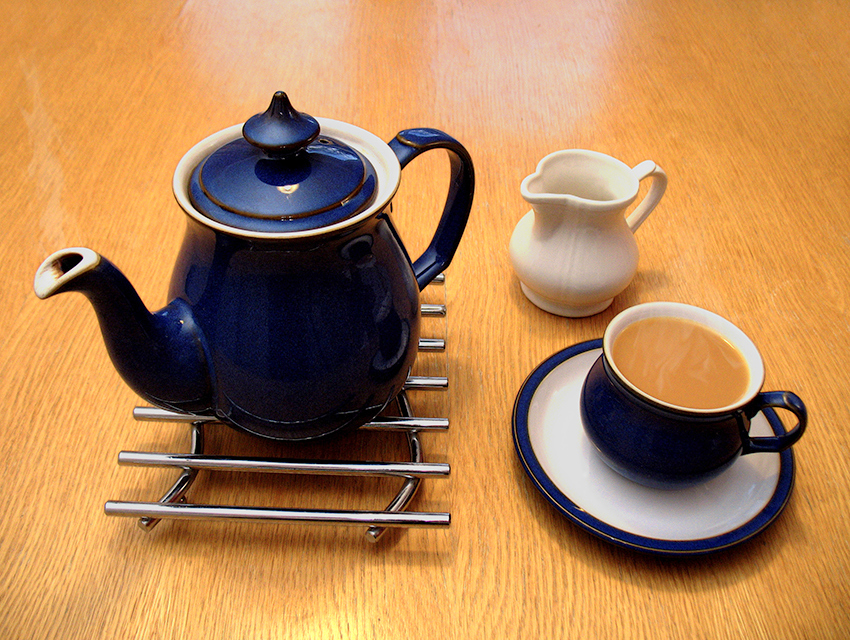
Maybe it’s all those Downton Abbey marathons, but when people think about ‘tea’, it’s usually associated with Britain and its cultural status as one of the world’s top tea drinking countries. Based on the extensive tea rounds at my place of work in central London, I can understand where this notion comes from!
It’s a popular belief that drinking tea, and in particular the tradition of afternoon tea is a big deal in the UK, but you might be surprised to know that of all the tea drinking countries in the world, Old Blighty is not the number one consuming region on a per person basis.
The top 5 tea drinking countries in the world
England – 6.04lbs per capita
Just how much do the British love their tea? According to an independent study conducted by Gala Bingo, the answer is ‘very much’, which places this region at number five on the list of the top tea drinking countries in the world.
A third of the respondents said they drink at least five cups of tea a day, while a quarter admitted to drinking tea before they were even five years old!
Mauritania – 7.10lbs per capita
In Mauritanian (north Africa) cuisine includes something called thrice-served tea. It’s just as the name suggests: tea is served three times, the first one being bitter while the succeeding servings get sweeter and sweeter. Tea is served in Mauritania after meals and always whenever a guest pops by.
Ireland – 7.10lbs per capita
Tea only made an appearance in Ireland in the 19th century, so the country is a relative newcomer to the whole experience, especially compared with Asian tea-drinking cultures. Evidently the Irish are busy making up for lost time, so expect to enjoy a cuppa or two when you visit.
Morocco – 9.57lbs per capita
Similar to Mauritania, tea is an important component of both Moroccan cuisine and culture. It’s served all throughout the day and is considered a drink of hospitality. In fact, whenever tea is served to guests (which is always), it’s considered impolite to refuse it.
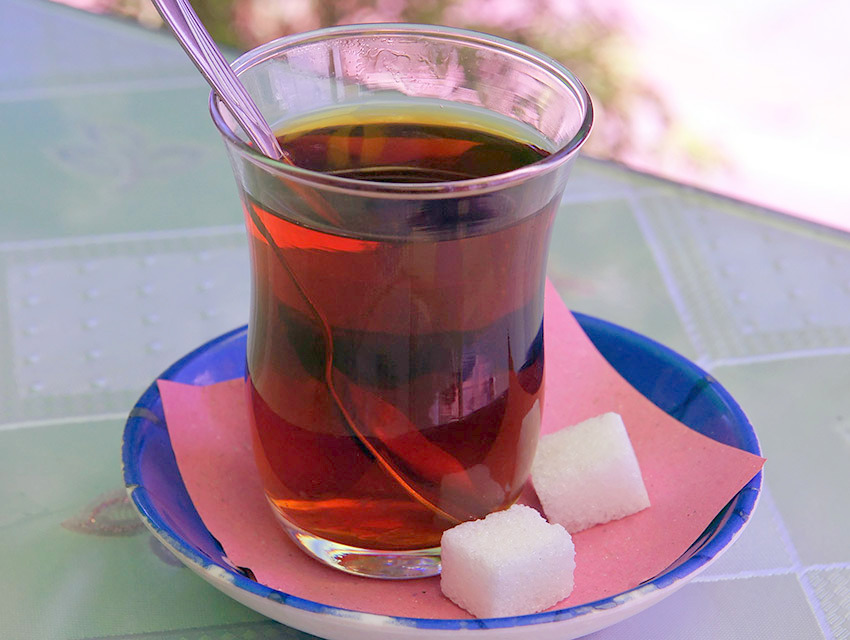
Turkey -15.15lbs per capita
Turkey is by far the most tea-crazy country in the whole world. Whether it’s a hot summer day, cool winter’s night, or people are out shopping or at a yoga retreat, you can bet your wallet that tea will be served before, during, or after a meal.
This isn’t your garden variety tea-in-a-packet type drink, either. Turkish tea is a strong, full-flavoured drink served boiling hot.
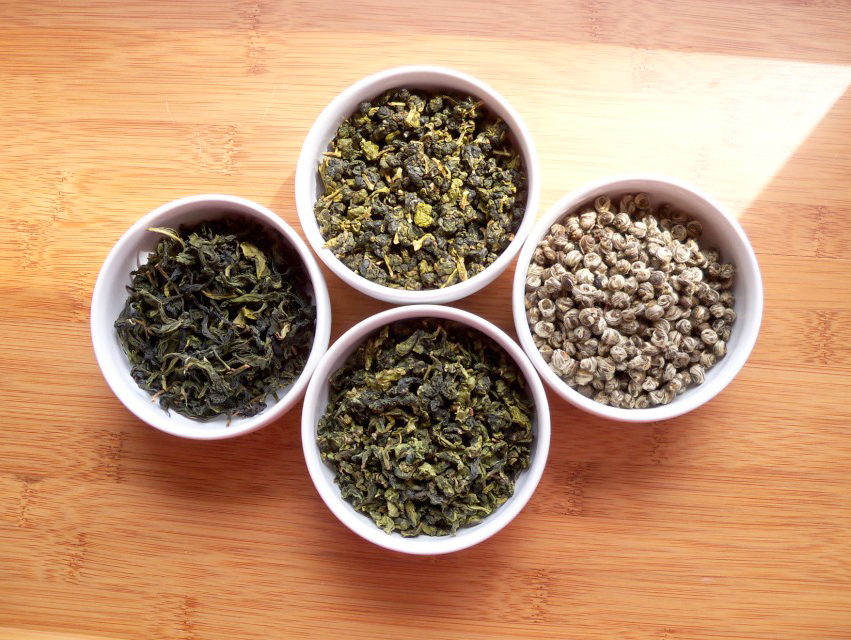
Tea really does have such an interesting history. Globe Trekker produced a great documentary on it, and I once compiled a complementary piece on their website about the ten best places to try tea. You can read it here.
Feature images via Wiki creative commons; and Flickr creative commons by Chris Tse and A Girl With Tea. This is an affiliate post.
A few years ago I compiled this interesting set of interviews for a national women’s magazine in Australia, on when in life is the best time to live abroad and travel. I had the opportunity to chat with some inspiring women over 30 years old, who had decided to take a ‘late gap-year’ – that is, a year to live and work abroad (despite the expectation that a ‘gap year’ is only for under 25s).
Unfortunately, the editorial team at the magazine changed direction during a new year restructure, so this feature never saw the light of day. But, as it’s becoming more and more common to ditch the early backpacker years to develop a career, and then take a ‘risk’ on a life far away from home ‘later’ in life, I’ve decided to dust off this piece in the hope it inspires one more of you to take the plunge this year!
The great (late) gap-year debate.
Why now is your time to live abroad and travel
Would you press ‘pause’ on life in order to head overseas? Four women talk to Sarah Blinco about the risks and gains associated with taking time out for a mid-career ‘gap year’.
A few years back I could think of nothing else but going to live abroad. I felt like I’d missed my chance, entirely career-driven throughout my twenties. Finally I’d reached a horrible point where I felt like I was ‘too old’ to follow a dream. When fate presented an opportunity to move to London, I just scraped in securing a British work visa by age 31. I couldn’t believe what was happening – a chance to live and work overseas, just when I thought it had slipped away. Why then, on my way to London, did I sit fighting back tears, panicking, thinking, ‘what have I done’?
I’d packed all my worldly belongings into the required 20kg checked luggage, said goodbye to family, friends and dog (utterly awful), and was on my way to Britain. No job, no home, no friends. It had only dawned on me that making the decision to leave life as I knew it behind to experience some kind of Eat Pray Love dream was probably the easy (or perhaps stupid?) part. I was doing my utmost to contain my freak-out so that fellow passengers wouldn’t get the wrong idea!
Spinning in my mind were questions like what if some of those loved ones aren’t around when I return? Will I adjust abroad? What if a job isn’t here for me when I come home? Will all my friends be married with kids when I get back? Will I be completely out of the loop? What was I thinking?
If the numbers of older professional Australians working and residing in cities like London, Dubai or New York are anything to go by, women are evidently getting over these fears (as I quickly did) and letting go of safety nets in order to embark upon a ‘contemporary gap year’ – that is, choosing to take a mid-career pause to travel and develop international skills.
In fact, a recent Wanderlust travel survey found that over 50 per cent of respondents thought that taking a gap year for the ‘big trip’ of a lifetime mid-career was actually the best time to go, above post-university, after having children, and retirement.
Taking my homeland, Australia, as an example too, in 2012 there were over eight million overseas departures, and of that number, 372,200 left with the intention of going ‘for good’. The Department of Immigration and Citizenship (DIAC) anticipates that around 80,000 of those Aussies will see the dream realised, starting a new life abroad. Australian Department of Immigration statistics share that 66.1 per cent of this 80,000 departing permanently were in employment prior to leaving, and 25.5 per cent – the largest group, were professional adults, 25 to 39 years old (almost even between women and men); highly skilled and well educated, and increasingly mobile, moving between Australia and other countries as career and life chances appear.
The concept is undoubtedly exciting, especially to career-minded women who missed a chance to travel earlier. However, when an adult gap year becomes reality and with seemingly more at stake the older we are, is the experience worth the worries associated with putting ‘real life’ on hold?
Teaching in the Middle East
Hannah Wallis, a teacher and education recruitment consultant, admits to a panic attack mid-flight to her new life over such a decision. “I was 30-years-old and chose to move to Jordan following an invitation I’d received to teach there. I had never been to the Middle East and I was really interested in going somewhere that my friends had never tried”. Hannah says the biggest risk to her was leaving a happy life behind in Australia. “I was worried about hating it in Jordan, but it wasn’t until I actually got on the plane that I panicked.”
A gap year involves starting again on one level or another (new home, job, friends, routine…), and obviously for Hannah these issues were magnified. “I arrived in the capital city at midnight… was raced through the airport and taken to a hotel that was in the middle of the desert. I thought this is crazy, what I am I doing? It was like landing on the moon… I was taken to a medical centre where I had a needle stuck in my arm. I wasn’t put in a chair or anything, just jabbed. It was very scary”.
Hannah lived and worked in Jordan for two years. “The first year was good because it was all new to me. The difference in culture is difficult; I was ready to come home at the end of my contract”. She adds that she doesn’t regret the experience and might consider a future gap year teaching in Asia, however Hannah maintains that taking time abroad in your twenties is preferable. “You’re less mouldable [in your thirties]. You know your own limits a bit more but that’s not to say you don’t know them in your twenties. I think it’s easier to go with the flow when you’re younger. Also, when you come back home when you’re 25 for example, you still have time to kick around for a bit; but when you come back in your thirties you have to be serious. Everyone expects you to settle down.
It’s harder to secure visas when you’re over 30, and there does inevitably come a point where you question whether you’re prepared to start again”.
Setting up fresh in Hong Kong
“Is it brave or stupid to take a late gap year?” Sydneysider Fleur Filmer, Startup and business growth specialist, and Managing Director of Lulu and I.com, laughs heartily at the question.
Only a clinically insane person would do what I did – going to Hong Kong, one of the most expensive places in the world, on my own at 35, with no job but yes, I’m very happy for the experience!”
Fleur decided that she wanted to do something totally different with her life and thought that a gap year would broaden her horizons.
“This incredible opportunity presented itself when I was 35 and it’s honestly been one of the best decisions I ever made. My family was shocked – I’d never flown the coup before! They didn’t expect something like this from ‘professional, ‘responsible’ me, but they thought it was courageous… It wasn’t until I’d set up my apartment in Hong Kong and the shipping container with all my belongings was on the sea that I thought, ‘wow, I must be nuts’; I felt empowered though – I’m the only person I know who has ever moved to another country without a job, but I went out, sought advice, started my own business in Hong Kong and the whole thing just felt right”.
Fleur attributes her positive experience to the fact she was older. “You face things with a different head on your shoulders once you’re out of your twenties. Financial security is also a big thing for this version of a gap year. You can experience another culture and not have to slum it. If I’d done this when I was 21 I wouldn’t have appreciated it… I wouldn’t have had the ability to understand how awesome the opportunity to take a gap year is. My experience taught me that if you follow dreams there will be lots of rocky things happen along the way, but if you stick to your guns you’ll get there. This is exactly what I’ve done and now I have devised my absolute dream business in Australia – I owe it all to my gap year in Hong Kong”.
Falling for Paris
Sydney-based book editor, Desanka Vukelich, agrees that an older gap year has improved her confidence. “It’s most certainly a brave thing to do, taking a gap year when you’re mid-career. The experience has helped me to have the courage to know I can do anything”.
In 2008 at the age of 30, Desanka left a prestigious job as an in-house editor and moved to Paris for a year. She explains, “I knew I wanted to travel and work overseas but mostly in my twenties I was shy and wasn’t ready for the adventure”.
The critical risks to Desanka were employment, and pride. “I was really scared of failing in the respect that I wouldn’t get a job in Paris, and that I’d have to turn around and come back with my tail between my legs. My cousin inspired me by reminding me that I’d never failed at anything I’d tried before, so why should this be different? This gave me the confidence to stop worrying about home safety nets and just get on with my dream”.
Desanka, like Fleur, insists that ‘gut instincts’ played an integral role in overcoming concerns relating to this type of ‘controversial’ life move.
“The period before I left for Paris was definitely a confirmation of the fact I was doing the right thing. It was a very positive time. For me the gap year later in life was worthwhile because I simply had more wisdom than I did in my twenties… I now maintain my own successful business thanks to inspiration and lessons from my time overseas that I couldn’t have gained at home.
Too often we get caught up in worries that turn out to be unnecessary, like what people expect us to do – I feel it’s not a sufficient way to live. I understand that not everyone has the option though, and it’s difficult when people feel obliged to others or even themselves to do certain things. The overriding lesson for me though, is that the risks are worth it and I now live following my heart and instincts. I found work, everything was the same in Australia when I got back, but I had a life changing experience in Paris, it was home”.
There’s no place like London
Katrina Dudley, a marketing professional from the Gold Coast says that she stands testament to the fact that age is advantageous when dealing with challenges associated with a new life elsewhere.
“When I was 19 I moved to Tokyo to live, but stayed for three weeks and had to come home because I was too overwhelmed. My biggest fear ten years later however, was that I wouldn’t have the chance to take this gap year. I was running out of time to secure the working visa and was keen to accept an opportunity in England”.
The British gap year option for Katrina wasn’t about taking a break from her career but was more about adding to her skill set. “There was some resistance. My parents hated to see me leave. They queried why I would want to go when I had a mortgage, a good job and would have to come back and start again, but a large part of me knew it would be worth the risk. My career was in full swing but I had to follow my dream and I was fortunate to be presented with amazing opportunities in London… Now I am in Australia I see how easily you can slip back into life. I think people are concerned that they will come back to nothing, but it’s all the same.
If anything, employers love the fact that you have broadened your horizons, experience and skills”.
Is an adult gap year brave or stupid? Katrina replies, “In my experience it’s not stupid at all. I think it is a shame that people don’t step outside their comfort zone… When you’re younger a year away is a bit more like an extended holiday; when I lived in London it was ‘real life’. All the risks that seem like issues before you leave home turn out to be inconsequential. In the UK had a network of friends, a responsible job, annual leave. Other people find love and their dream jobs overseas! It is also easier when you’re older and have a well paid career – you appreciate it all differently and have money to do many amazing things… I would definitely consider another gap year. I think it would be brilliant to move to Mexico one day, work remotely on my laptop and learn Spanish”.
When is the best time to live abroad and travel?
Tracey Batty, CEO of Pure Professional Recruitment encounters many considering the ‘contemporary gap year’: “Working offshore is a great thing to do but my advice is to be very clear about what you want to achieve. Build your ‘gap year’ around goals for the year, whether they are to explore, improve career marketability, to make money or to find your passion”.
Primary concerns
Not ‘settling down’ and buying a house.
Missing out on home front career opportunities.
Not being taken seriously / finding employment abroad.
Criticism for being ‘irresponsible’; also missing friends and family. Tracey adds, “remember though, twelve months is not a lifetime”.
Worth the risks
Increased confidence, professional and personal growth.
Finding love, inspiration or adventure abroad.
A professional / marketable skill is advantageous in most ‘adult gap year’ cases, improving financial and job security. Tracey notes, “look for international transfers or secondments within your organisation – you may be surprised what you find when you speak to HR or a recruitment company”.
It’s now acceptable to not be restricted by antiquated age stereotypes.
For me, I ended up returning for a second time, and am generally happier for the experience (at least for now!). What are your thoughts on the best time to live abroad and travel? Please let us know in the comments below. Similarly, any questions, please ask.
Re-edited in 2015, original interviews prepared in 2012.
Last year, 21-year-old Jordan Lea Hart, embarked on a once-in-her-young-lifetime trip abroad. While she’d enjoyed a holiday or two closer to home and with family, this was her first significant trip overseas – just she and her best friend, Rachael. We’d spoken to the girls a few times about travel and life abroad, and were very excited to hear when they took the massive step to book and confirm it all.
Jordan Lea and Rachael enjoyed the same tour of Europe with Expat Explore that we did in 2011 (on just the second 26-day itinerary since the group launched it), and I was keen to find out more about the experience, their tips and stories of travel and friendship. Most importantly, I was keen for insights into why they too, advocate taking the chance to travel, live and learn!
When did you travel to Europe?
In July and August 2015, European summer time.
This was your first major overseas trip – how did the decision come about to do it?
Throughout high school, my best friend and I always talked about travelling to Europe, specifically London, because we love historical buildings and English boys! Once we finally had enough coin we booked it.
When did you decide what type of travel option to pursue?
I wanted to do a coach tour as it just seemed like the most cost-effective way to get a taste of each country. Originally the plan was to go on a month tour, then rent a car and road trip around Ireland, Scotland and Wales, however that didn’t end up on the agenda due to work and study commitments.
We decided on Expat Explore’s 26 Day Ultimate Europe Tour because it is great value for money (even considering the conversion from Aussie dollars).
One of the first things our tour guide, Will, said was, “You guys are travellers, not tourists, we are not going to hold your hand everywhere you go, it’s up to you. YOU create your journey, we just guide.”
It was awesome because that’s exactly what he did – told us the way to our hotel, how to get home, and what time we would be leaving for the next trip. We never considered a party-type tour, we really wanted to make the most of our travels, not spend the time in bars 24/7 and hung-over every day! Not to say we didn’t have a few cheeky drinks.
Was there anything you were worried about prior to taking this big trip so far away from home?
I was worried about missing home too much; I was in a brand new relationship so this trip was a massive test on us. I missed him terribly but we survived it, thank God for Viber.
Do you think you were well prepared for the trip, or did you learn along the way?
Prior to us leaving I quit my job! I was treating this trip as a fresh start for me, to get perspective on what I really want. I had to be very careful with my money, budgeted a lot, made trips to the local supermarkets to get fresh fruit and snacks for the long coach journeys.
Clothing was something I was not prepared for. I was under the impression Europe would have cold days, and I would only need so many shoes or pairs of socks. The little things ran out fast, and I packed about 10 jumpers and no summer clothes. That was a massive wake-up and I spent a lot of money buying summer basics (most of Europe is hot in summer!). But I learned little tricks after a few weeks, like washing delicates in the sink then rolling them up in the bathroom mat so they dried a lot faster.
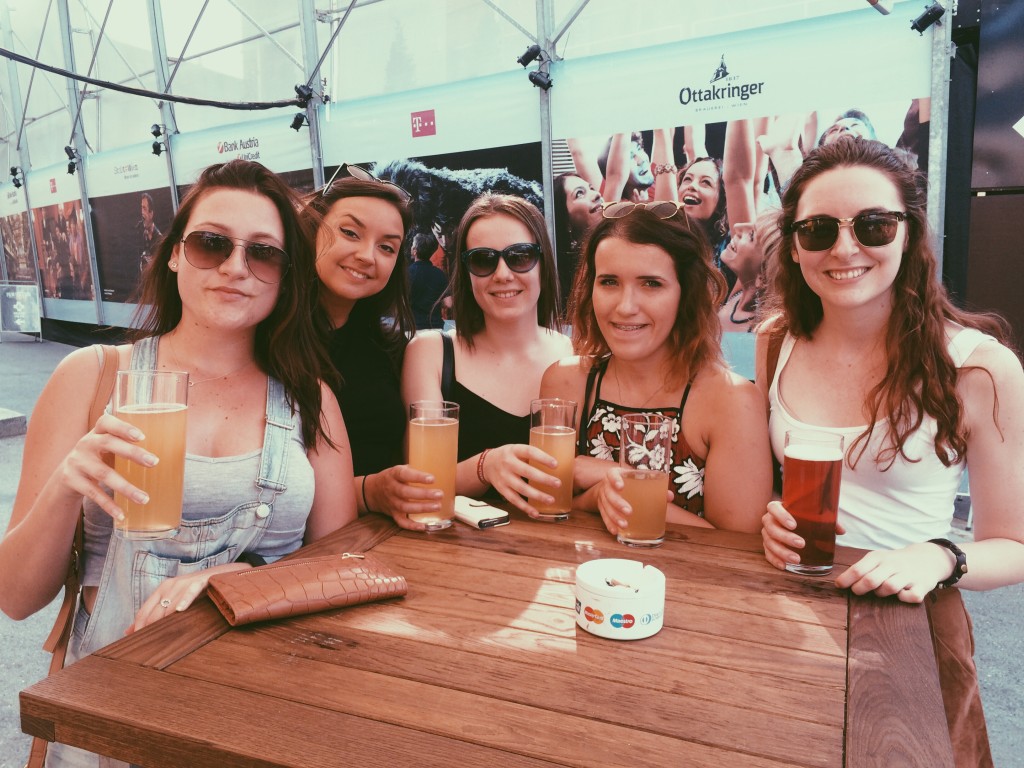
I also thought this would be a great best friend trip, just myself and Rachael the whole time! But we met some lifelong friends, we created ‘the squad’ after two days on tour – myself, Rachael and three rowdy British girls – we were inseparable.
What were three highlights of Europe?
The whole trip was a highlight but I do recall a few special moments.
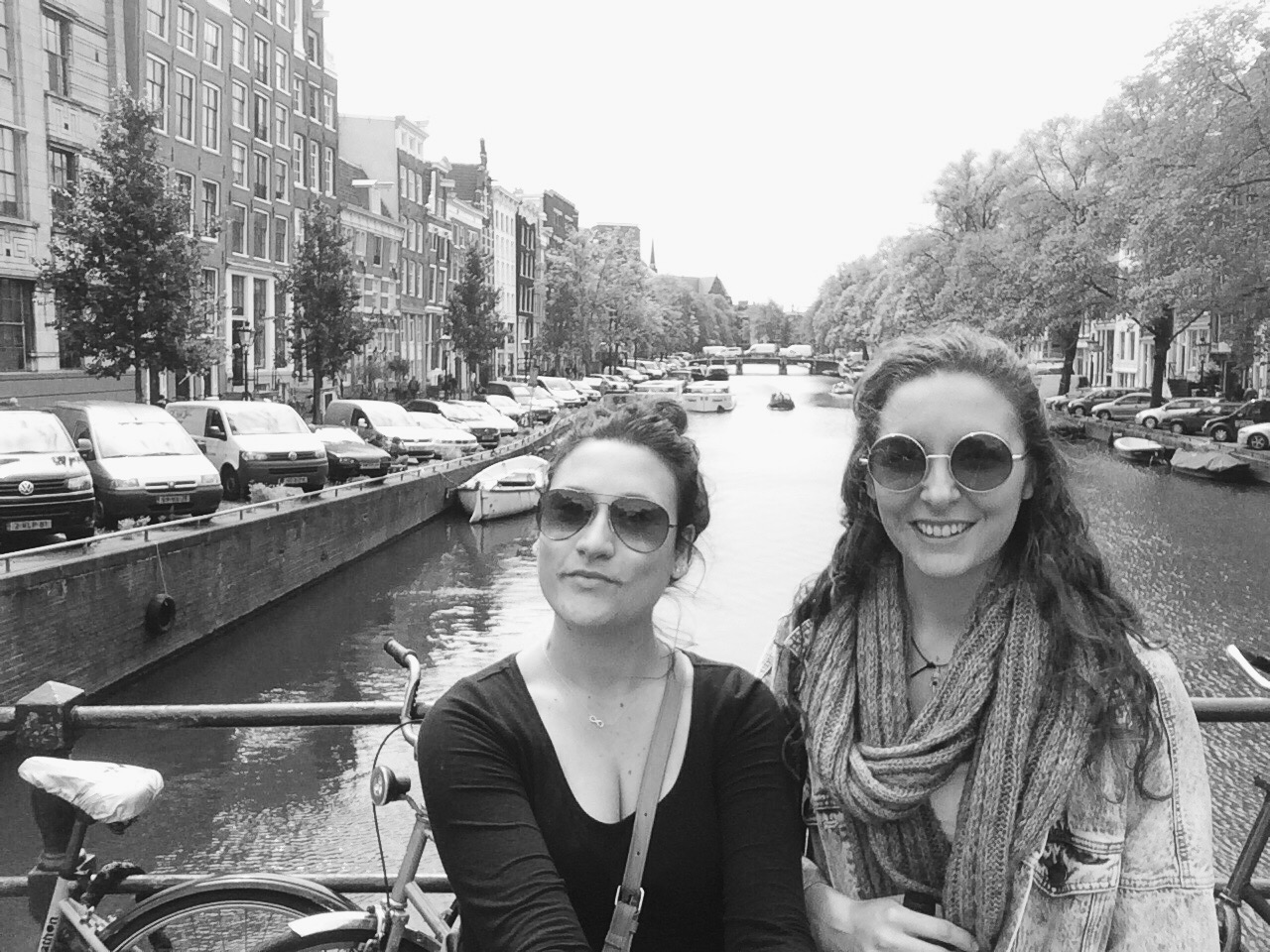
Our first stop was Amsterdam, and Expat scheduled an optional activity for day one on the road. Everyone else on the bus went except Rachael and I; We ditched it. Woke up late, caught the train into the city centre, wandered around just taking it all in for six hours. We walked away from all the tourist areas and went local. We found all these amazing hidden cafes and lunch hot-spots. It was beautiful and so peaceful to just wander and soak up all the culture. Once we got back to tourist-central, we naturally tested the devil’s lettuce from the local coffee shop (not to be confused with cafe) and ended up having the wildest night of our lives.
Sneaking into random hotels, running along the canals and eating the best yogurt and fruit anyone could ever have – our first day was done right.
The second highlight for me was meeting the squad, Alice, Anya and Sara. Here are five girls with completely different backgrounds and we clicked instantly as if we were long-lost soul-mates. We had one night in the Rhine Valley where we all had too much wine, ended up smashing karaoke with a Spice Girls comeback, and we were almost as good as the real thing. So many nights were unforgettable with these girls!
Barcelona was an absolute highlight for me personally; the culture of that place blows my mind! Oh and the sangria!
The last highlight, even though bitter-sweet, was our final night of the tour in France, sitting under the Eiffel Tower and its 9pm light show, drinking mini bottles of wine, with our cheese dips and chocolate.
Some England highlights?
The UK was a short but sweet stay, four days in total, but so full of life. We went to the markets, Harry Potter studio tour and stayed walking-distance from Oxford Street. Also spent a night drinking cocktails with some of my favourite people. It was the perfect end to our trip.
What did you learn about yourself through this experience?
That if I set a goal to do something it will be achieved. And, that I can successfully catch public transport in any country! It helped me also appreciate how lucky I am to have had the chance to do this at 21. Most people don’t get that chance, even couples on our tour said this was their first holiday overseas and they were well over 50.
How has such a significant travel experience shaped the way you are now planning for your future?
It only makes me want to plan for more! I have the thirst for travel, the way it opens your eyes is something else. The world is a fascinating place.
What’s your advice for anyone planning to travel or tour Europe in the summer?
You need a reliable water bottle, sunscreen and good walking shoes.
Be warned of the crowds in Italy, it will have you feeling like you’re suffocating, so go see all the major sights in the afternoon, because in summer the sun doesn’t set until 9pm so it’s nowhere near as hot then.
Learn the underground in European cities. Local trains usually work like clockwork and will take you anywhere you need to go. It all works in colour lines so don’t worry about not knowing the language if you need to get around.
In France, buy souvenirs from the salespeople on the street, not stalls; the sellers are lovely and you get the same thing but for half the price!
What are your essential travel planning websites and apps?
In Europe, always search for the city metro map and have a screen copy on your phone for reference. In London, download the app Kabbie. I would have been lost without this – it’s like Uber but cheap. Another helpful tip is to buy your food and alcohol for your trip. This saves you so much money; the supermarkets have everything you could ever need! Don’t get stuck buying supplies at expensive bars or corner stores.
Would you recommend a tour and why?
Yes! Especially if you have never travelled to that country before, it helps you get your bearings and you have a whole coach support system; a tour guide who you can bother with a thousand questions as they know all the good spots, and you meet amazing people. Once you have done a tour, you can go back the places you enjoyed and you’ll already have knowledge to get around like (nearly) a local!
What does travel mean to you now?
A world of opportunities! I have found what I want to do: work, save, travel.
Hi, we’re Sarah & Cooper. Welcome to Travel Live Learn! We’re Aussie expats currently living in the UK (for the third time!) with our adorable Westie, London. Our mission? To inspire you to embrace a life of adventure—whether it’s travelling longer, relocating to the UK or Europe, or exploring the freedom of remote work and digital nomadism. Enjoy your time on our site! We'd love to stay in touch: subscribe for our weekly stories, updates and remote work job opportunities direct to your inbox.
TLL SHOP!
Grab our guides:
Master House Sitting with Our Must-Have 101 Essentials eGuide! Buy It Here
And, 7 Essential Strategies for Maximising Your Use of ChatGPT eBookBuy it here
Also, Visit Our Amazon Storefront! Shop Here!
To provide the best experiences, we use technologies like cookies to store and/or access device information. Consenting to these technologies will allow us to process data such as browsing behavior or unique IDs on this site. Not consenting or withdrawing consent, may adversely affect certain features and functions.
Functional
Always active
The technical storage or access is strictly necessary for the legitimate purpose of enabling the use of a specific service explicitly requested by the subscriber or user, or for the sole purpose of carrying out the transmission of a communication over an electronic communications network.
Preferences
The technical storage or access is necessary for the legitimate purpose of storing preferences that are not requested by the subscriber or user.
Statistics
The technical storage or access that is used exclusively for statistical purposes.The technical storage or access that is used exclusively for anonymous statistical purposes. Without a subpoena, voluntary compliance on the part of your Internet Service Provider, or additional records from a third party, information stored or retrieved for this purpose alone cannot usually be used to identify you.
Marketing
The technical storage or access is required to create user profiles to send advertising, or to track the user on a website or across several websites for similar marketing purposes.